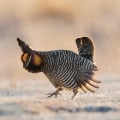
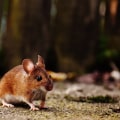
Lubbock has experienced steady development over the years, with new residential neighborhoods, commercial districts, transportation corridors, and infrastructure projects extending into areas that were once largely undeveloped. While urban expansion is often discussed in terms of economic growth, housing opportunities, and community development, its impact on local wildlife frequently receives far less attention. Yet as the city continues to grow, subtle changes are occurring across the landscape that influence how animals move, forage, seek shelter, and interact with their environment. These shifts may not be immediately visible to residents, but they play an important role in shaping local ecosystems and wildlife behavior throughout the region.
Wildlife movement patterns are closely tied to habitat availability and landscape connectivity. Many species rely on established travel routes to access food, water, breeding grounds, and shelter. As development introduces new roads, buildings, parking lots, and neighborhoods, these traditional pathways can become fragmented or altered. Animals that once moved freely across open spaces may find themselves navigating increasingly complex environments that require adaptation to changing conditions.
The Impact of Habitat Fragmentation
One of the most significant consequences of urban expansion is habitat fragmentation. When previously connected natural areas become divided by development, wildlife populations may experience challenges related to movement and access to resources. Even relatively small barriers can influence how animals travel through an area.
In and around Lubbock, species such as rabbits, coyotes, birds, reptiles, and various small mammals may alter their movement patterns in response to new development. Some animals avoid developed areas entirely, while others adapt by utilizing greenbelts, drainage corridors, parks, and undeveloped parcels as alternative travel routes. These adaptations demonstrate the remarkable flexibility of wildlife, but they can also create new challenges as animals encounter roads, traffic, and human activity more frequently.
Habitat fragmentation can also affect population health over time. Reduced connectivity between habitats may limit breeding opportunities and decrease access to essential resources, influencing long-term ecosystem stability.
Adapting to Human Presence
Urban growth often brings wildlife into closer proximity with people. As natural habitats change, some species learn to navigate developed environments and take advantage of resources that may not have been available previously. Landscaped neighborhoods, retention ponds, community parks, and irrigated green spaces can attract certain animals seeking food or water.
At the same time, increased human activity may create additional risks. Vehicle collisions, noise disturbances, and interactions with domestic pets can influence wildlife behavior and movement decisions. Animals may adjust their schedules, becoming more active during nighttime hours when human activity is reduced. These behavioral changes often occur gradually and may go unnoticed by many residents.
Population growth contributes to these dynamics as more people move into expanding communities. Searches for services such as "movers near me" often reflect the ongoing residential growth that supports urban expansion. As new neighborhoods emerge, the landscapes through which wildlife travels continue to evolve, creating both challenges and opportunities for local species.
Balancing Development and Conservation
Urban expansion does not necessarily require the complete displacement of wildlife. Many communities have successfully incorporated conservation strategies into development planning by preserving open spaces, protecting natural corridors, and maintaining green infrastructure. These measures can help support wildlife movement while accommodating population growth and economic development.
Planners, environmental organizations, and local governments increasingly recognize the value of maintaining connectivity between habitats. Thoughtful design can reduce barriers to movement and help minimize conflicts between wildlife and expanding urban areas.
Looking Toward the Future
The relationship between urban expansion and wildlife movement is often subtle, unfolding over years or even decades. As Lubbock continues to grow, these changes will likely become an increasingly important consideration for both environmental management and community planning. Understanding how development influences wildlife movement patterns can help support more sustainable growth strategies while preserving the ecological diversity that contributes to the region's natural character. Ultimately, the story of urban expansion is not only about people and buildings—it is also about how wildlife adapts to a changing landscape and continues to find ways to thrive alongside growing communities.